


Gloucester
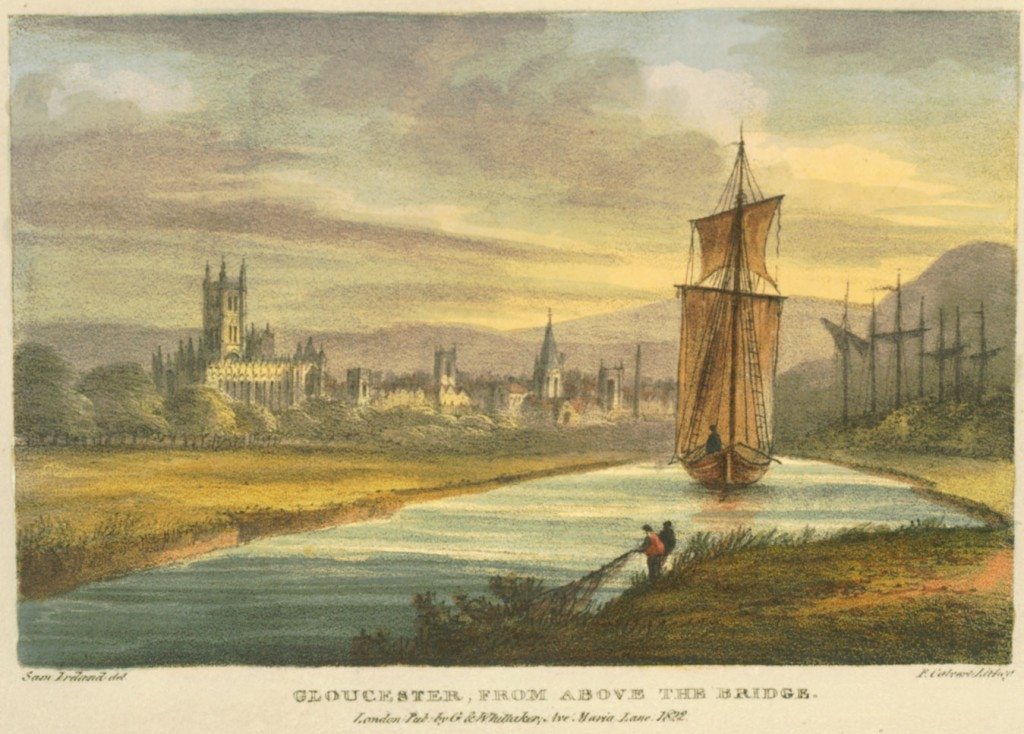
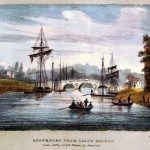
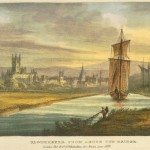
Image: Gloucester, from above the Bridge. Gloucester was an ancient foundation, distinguished by its medieval cathedral. By the time of Harral’s visit, the city had become an elegant regional centre.
“This ancient and respectable city, occupying a gentle eminence which rises on its eastern side from the Severn, is in the vale of Gloucester. The city of Gloucester, with its suburbs, is nearly three miles in circumference….Previously to the improvement of the city, by act of parliament, in the year 1749, the houses were chiefly of timber; but are now principally of brick, and well built; and the streets are paved and lighted.
Gloucester has long enjoyed the pleasures of a theatre, of assembly rooms, and of a triennial musical festival, established by members of the choirs of Worcestershire, Gloucester, and Hereford. Of late years, the attractions of the city have been much increased by the discovery of a spring in its environs. The water…in its essential impregnations, is said to surpass that of Cheltenham and Gloucester.”
Harral, vol. 2, p 148, 181.
« Previous in this sectionNext in this section »Continue browsing this section
 A Journey down the Severn from Thomas Harral’s Picturesque Views of the River (1824)
 Introduction: the Severn Waterway
 Poetry and Visions of the River Severn
 The Severn and its Origins in Wales
 Newtown to Montgomery
 Powis Castle to Welshpool
 Welshpool to Shrewsbury
 Shrewsbury
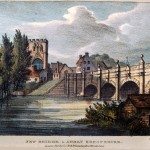 The English Bridge, Shrewsbury
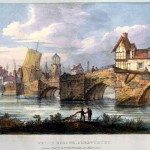 The Welsh Bridge, Shrewsbury
 Atcham Bridge, Shropshire
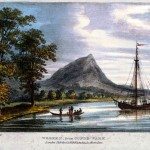 The Wrekin
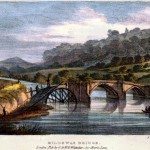 Buildwas Bridge and the Severn Earthquake of 1773
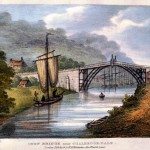 Coalbrookdale and the Ironbridge
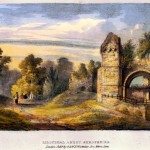 Madeley, Broseley and Lilleshall
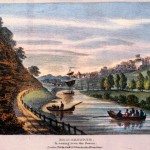 Bridgnorth
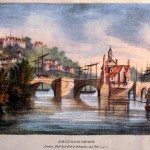 Bridgnorth’s Economy
 Bridgnorth Castle
 Quatford and the nearby Landscape
 Bewdley
 The Wyre Forest
 Stourport
 Stourport Bridge
 Worcester
 Worcester to Upton-on-Severn
 Tewkesbury
 Gloucester
 Gloucester’s Economy and the Severn Trade