


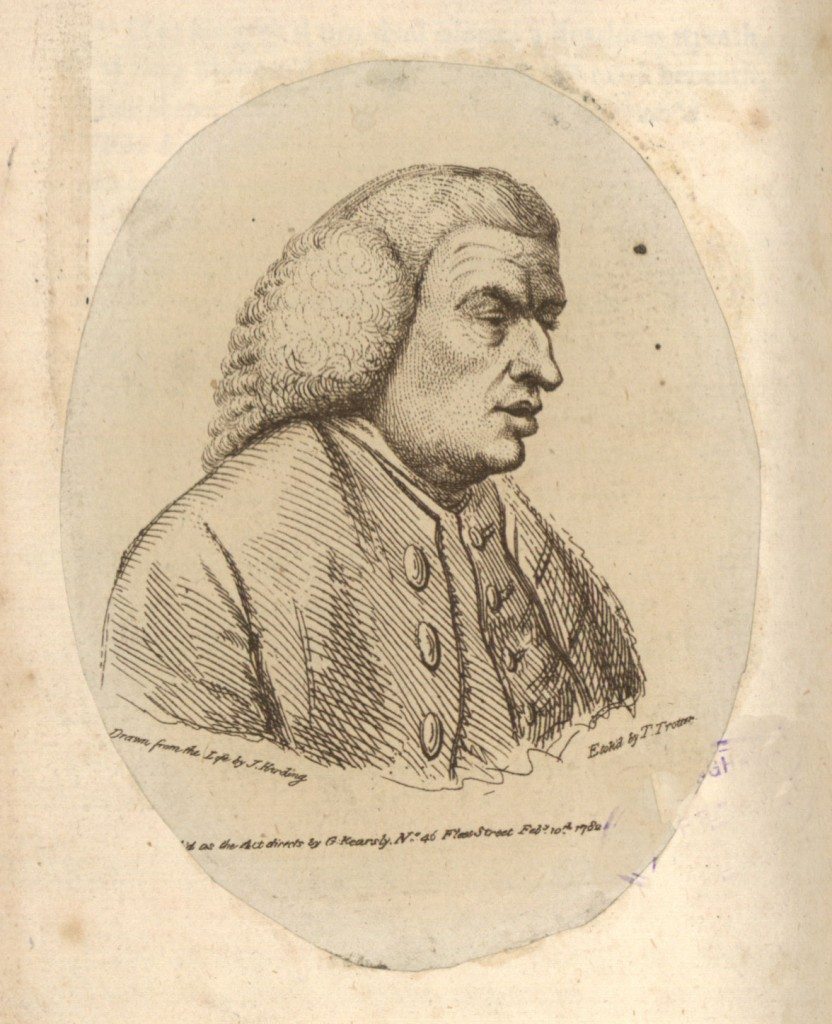
Johnson: Observation and Enquiry
Image: Samuel Johnson. John Jackson, History of the City and Cathedral of Lichfield (London, 1805).
Image from: Local Studies and History, Birmingham Central Library
The value of a work must be estimated by its use; it is not enough that a dictionary delights the critick, unless, at the same time, it instructs the learner.
Samuel Johnson was born in Lichfield on 7 September 1709 and died in London on 13 December 1784. His father, Michael Johnson was a bookseller, but he began his business with the sale of velum and parchment and set up a small parchment factory a third of a mile from his shop in Lichfield. Various tanners worked for Michael and he travelled around the Midlands to buy skins for the business. Samuel Johnson would have known the stink of the tannery and the nature of industrial activity from an early age. He was an acute observer, intellectually curious and a storehouse of information. His friend Hester Thrale wrote: “The life of this man was indeed expanded beyond the common limits of human nature, and stored with such variety of knowledge.” Theoretical knowledge and experiential observation were integral parts of his mind.
« Previous in this sectionNext in this section »Continue browsing this section
 The occurrences of common life: Samuel Johnson, Practical Science and Industry in the Midlands
 Johnson: Observation and Enquiry
 Johnson and Science
 Johnson, the Natural World and Industry
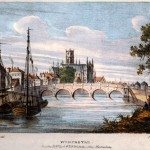 Johnson, Bridges and John Gwynn
 Johnson and Practical Improvement: Iron
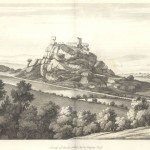 Johnson and the Midlands Landscape
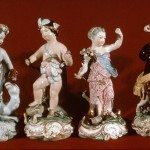 Johnson and Derby Porcelain
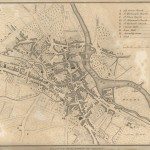 Johnson and Silk Production in Derby
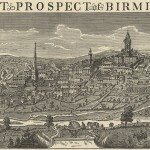 Johnson in Birmingham
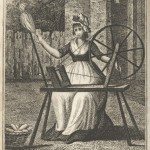 Johnson, John Wyatt and Lewis Paul: Improvements to Cotton Spinning
 Johnson, the Society of Arts and the Transformation of the Cotton Industry
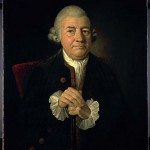 Johnson and John Baskerville
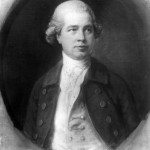 Johnson, John Taylor and Henry Clay
 Johnson and Matthew Boulton
 Johnson: “a longer stay”